Part 1: Folks who were killed for our right to vote.
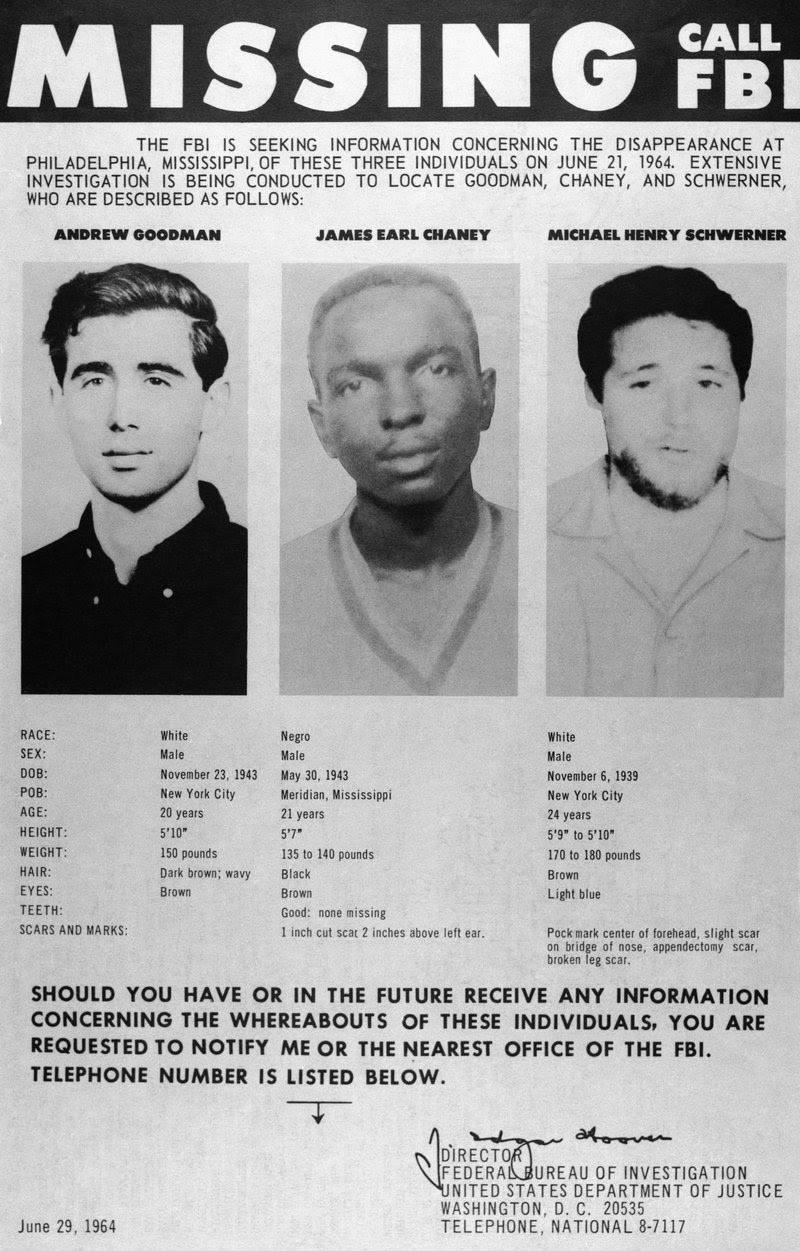
In Mississippi, African American voters were kept from voting by requiring literacy tests that tested how “smart” a person was, poll-taxes which imposed a tax in order to vote, and other voter suppression methods. These laws were also known as Jim Crow laws. In 1964, leading up to the Freedom Summer, activists across Mississippi and the United States convened in Mississippi for a voter registration drive aimed to increase Black voter registrations.
On June 21st, 1964, James Chaney, Andrew Goodman, and Michael Schwerner — civil rights workers who were a part of the Freedom Summer — disappeared in Neshoba County, Mississippi. With an ever growing presence of the Ku Klux Klan in Mississippi as cross burnings became more frequent and membership registrations for the white-supremast organization increased, the lives of people working in the Freedom Summer were at risk.
In the summer of 1964, the Ku Klux Klan burned multiple churches in Mississippi — which resulted in the name for Mississippi Burning — one of them being Mt. Zion Baptist Church in Neshoba County. This church was frequently visited by Chaney, Goodman, and Schwerner, however, they were not present during the fire. The three civil rights workers later returned to the remains of Mt. Zion Baptist Church. By the time they were driving away, a police officer stopped them. James Chaney, who was driving, was arrested for speeding while Andrew Goodman and Michael Schwerner were held under investigation.
Soon after their release, they were never found alive again.
Part 2: The Aftermath.

In 1964, the after-math of Mississippi Burning was one of the many incidents that precipitated the Civil Rights Act of 1964. However, decades after the murder of James Chaney, Andrew Goodman, & Michael Schwerner — the case reopened and only one man was prosecuted.
Justice was never fully served.
From voter suppression, to voter fraud — voting continues to be a privilege for the few. In states like Kansas, Wyoming, Georgia, Virginia, Tennessee, and Indiana, they have strict voter ID laws. This means that voting is less accessible to lower-income folks, and minorities, as they continue to fight against voter suppression that dates back from the beginning of the institutionalization of the United States. Not so long ago, the 24th amendment — which ended the poll tax — was ratified in 1964.
But, this all begins with me. you. them. US.
In 2020, let’s #FreeOurVote. Let’s remember the stories of people like James Chaney, Andrew Goodman, and Michael Schwerner, among others, who risked? Lost their lives to register Black people to vote in the crux of the Ku Klux Klan. But, this all begins with me. you. them. US.
Part 3: Plegister! Pledge with Friends.
The Civil Rights Act of 1964 happened because of the efforts of Black folks who wanted justice and took matters into their own hands to achieve this.
When we all band together, our power is unstoppable. If each us asks just 3 friends to vote, we can triple our turnout. In 2018, close to 39% of students voted, If we could just get 3 fronds to vote with us, we could
With bus boycotts and peaceful protests, the power in numbers resulted in change.
This same power is in your hands. With friends, pledge to vote together.
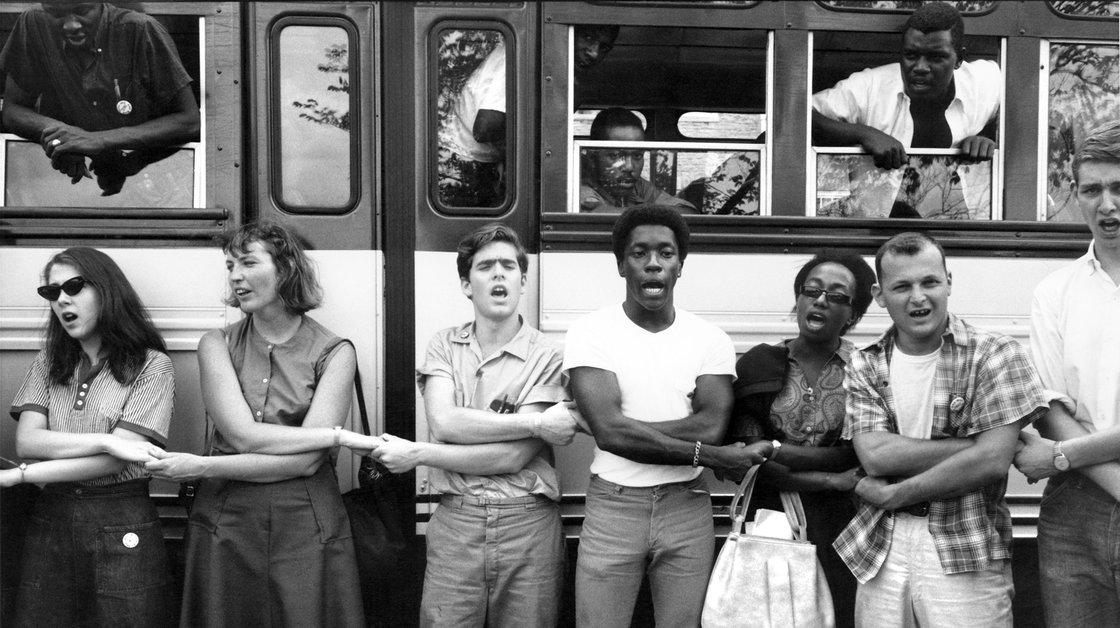
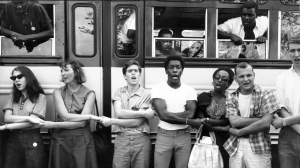
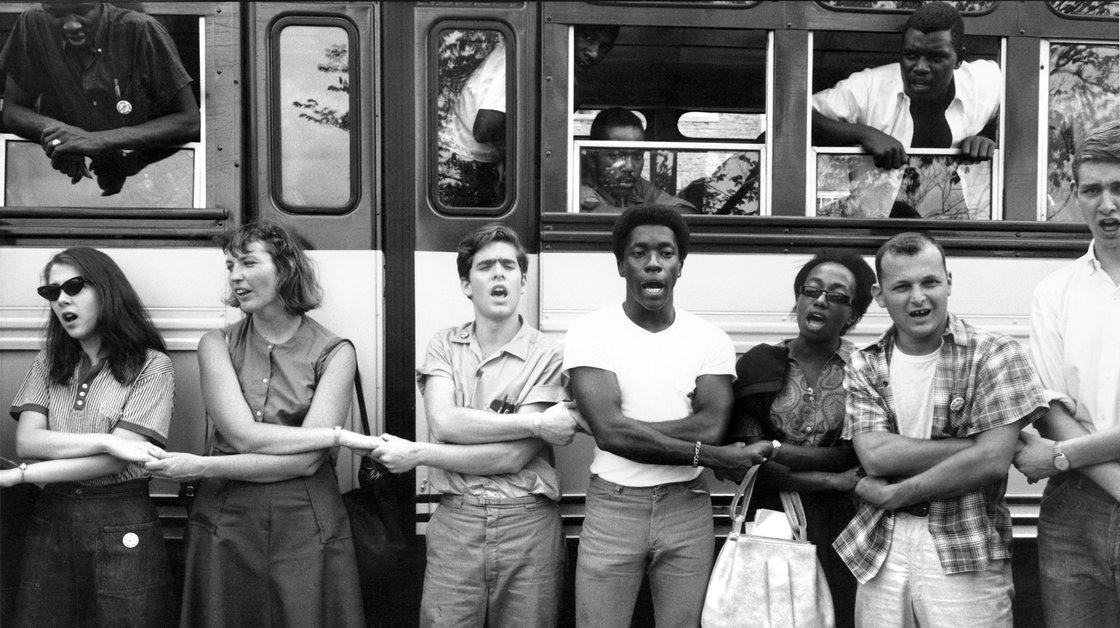
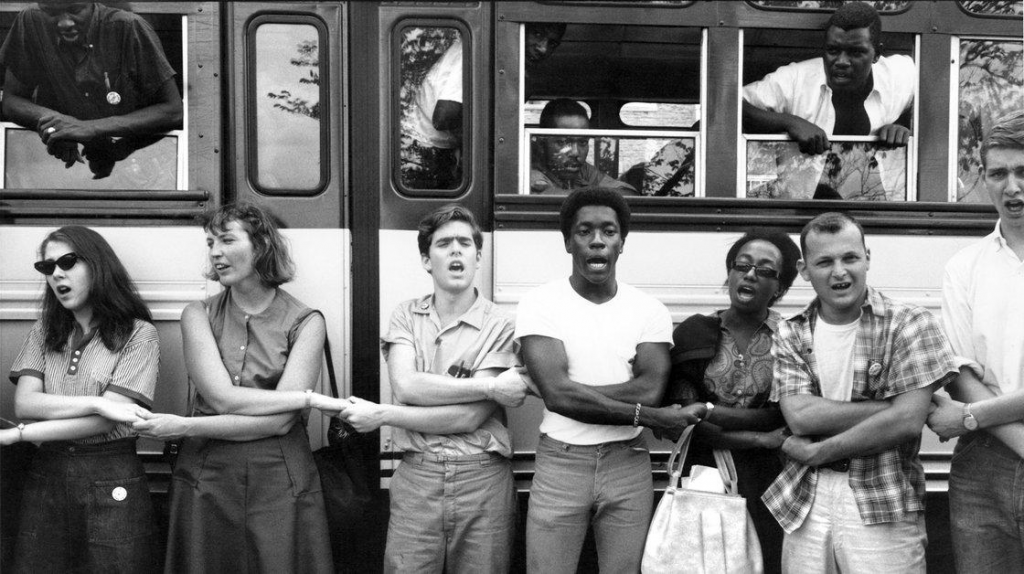
Freedom Summer activists sing before leaving training sessions at Western College for Women in Oxford, Ohio, for Mississippi in June 1964. CREDIT TED POLUMBAUM COLLECTION/NEWSEUM / VIA NPR.ORG