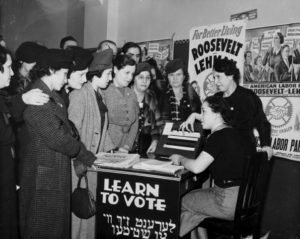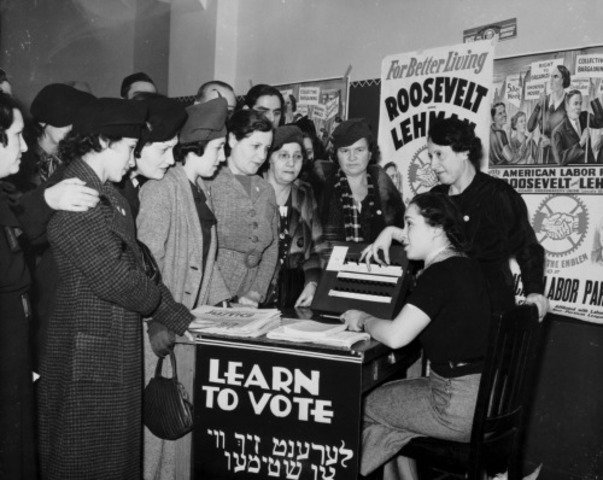
In 1932, the United States was in the midst of the crisis.
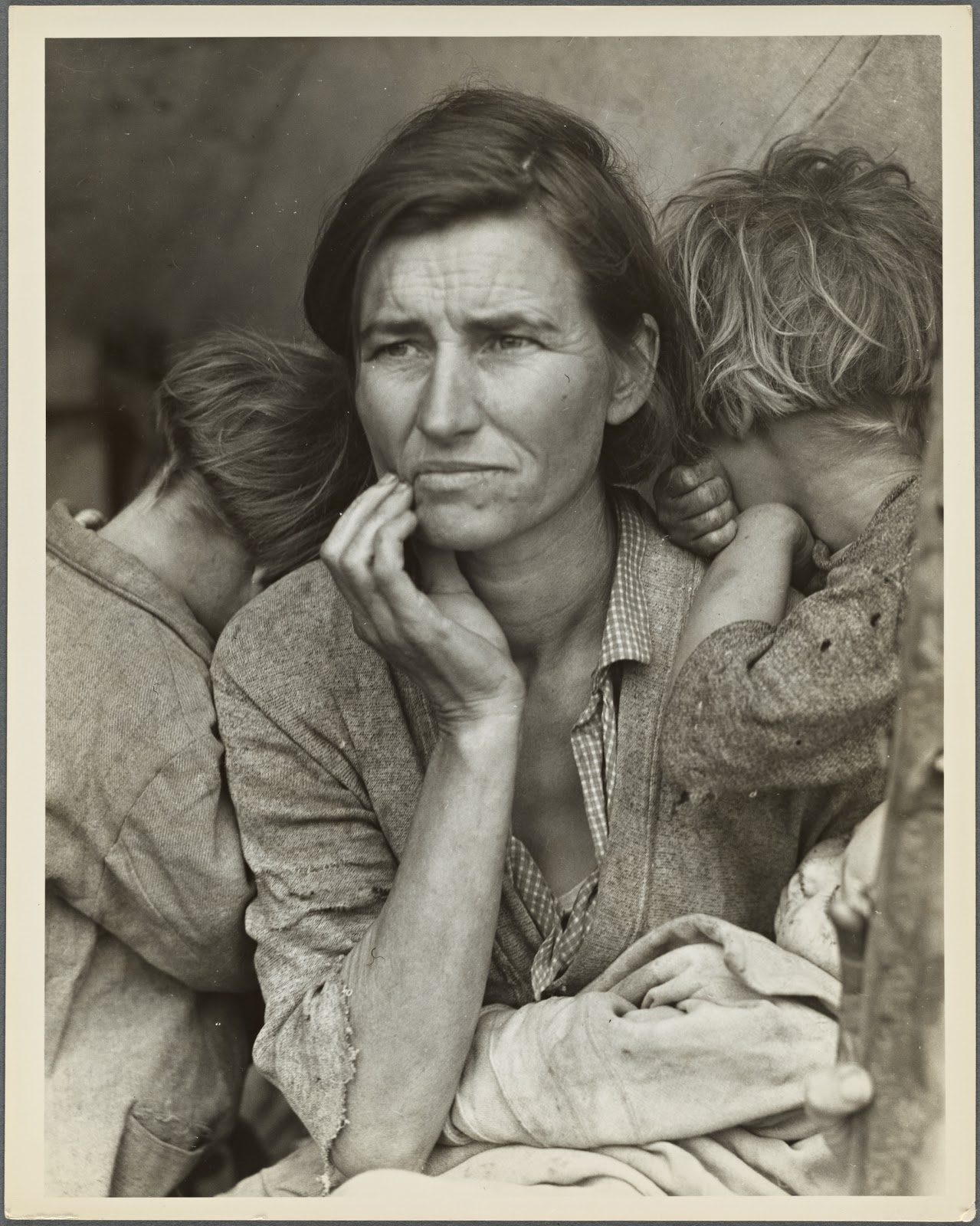
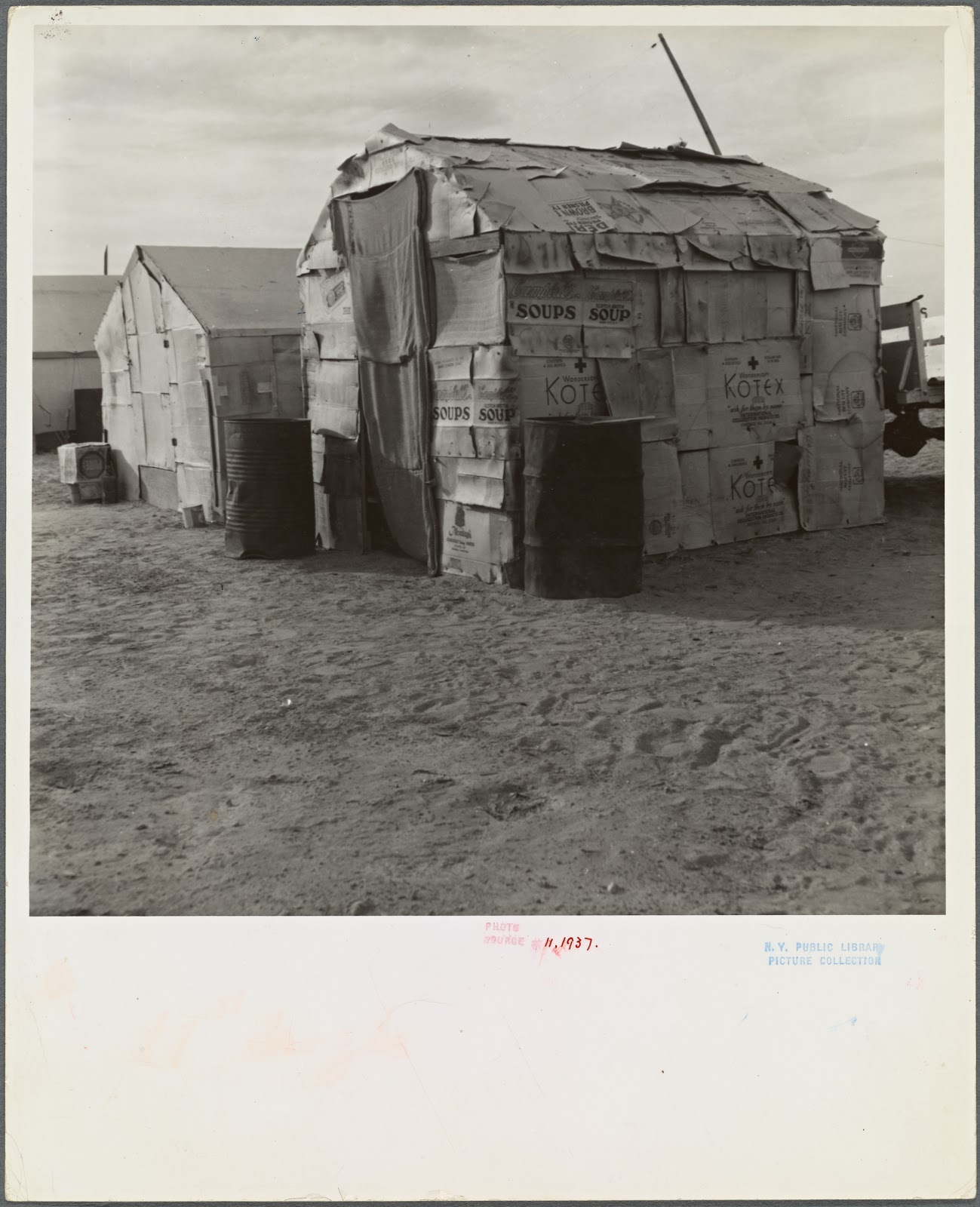
It was the height of the Great Depression and millions of Americans had lost their jobs, their homes, and their life savings. Nearly a quarter were unemployed. The unregulated banking industry lost citizens their life savings. Poor farming practices that put profits over long term soil viability created an ecological disaster known as the “Dust Bowl.”
People demanded good jobs, good homes, and social programs from the government to help through the crisis – and to prevent it from happening again. But what they were asking for required a huge amount of government spending, and the sitting president, Herbert Hoover, was strongly opposed to the idea. He, along with most everyone he worked with, was raised on the idea that government should never intervene in the economy, even during a depression—no matter how bad it got.
The people disagreed, heavily, and in 1932 they kicked Hoover out of office. His opponent, Franklin Delano Roosevelt, won by a huge margin—a landslide victory. In FDR’s first 100 days in office, the federal government passed the New Deal, a litany of laws that would create one of the largest jobs program financing major publics works, The Social Security Act, unemployment insurance, and farm subsidies to provide relief, services, and employment to millions of Americans.
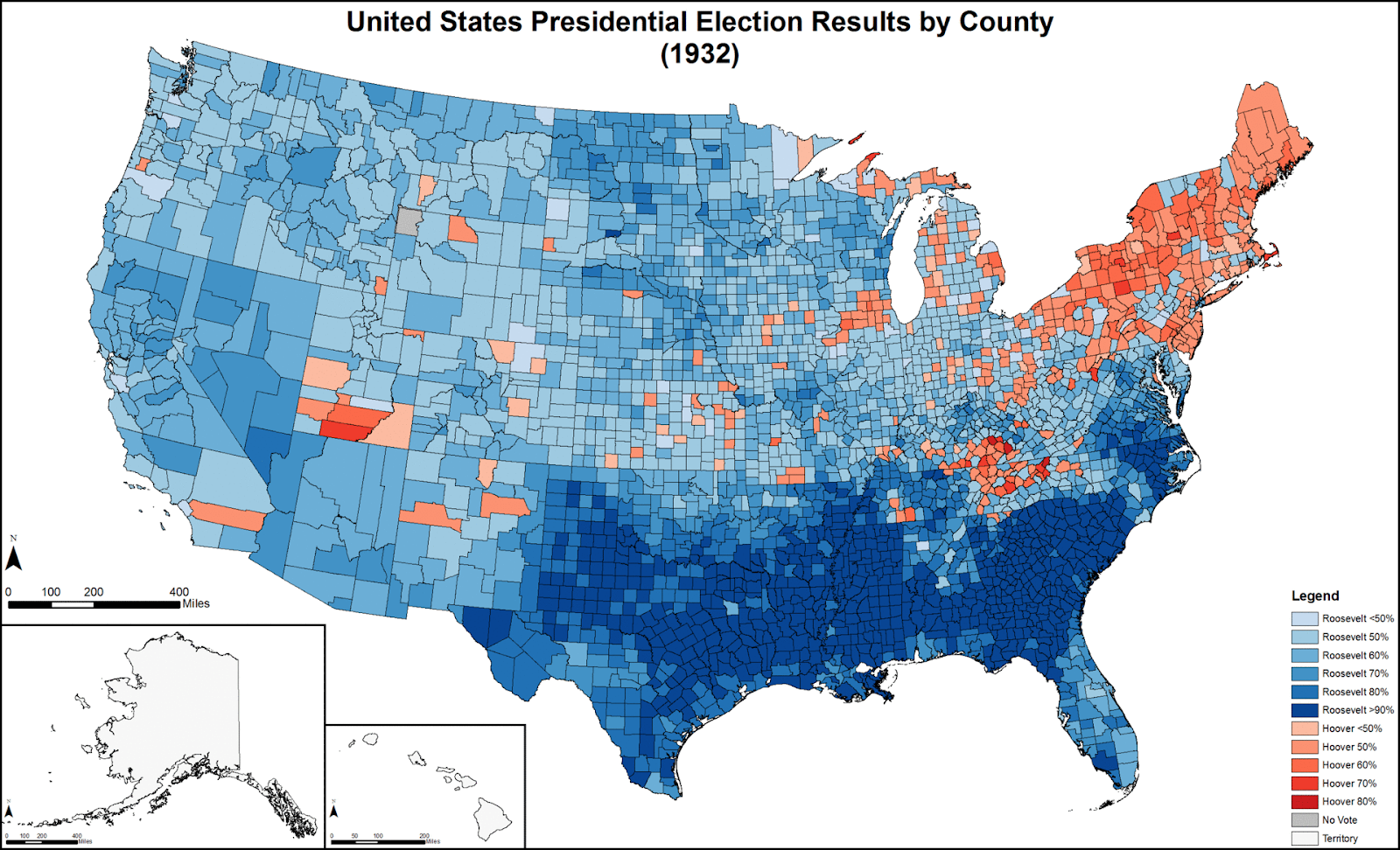
He wasn’t the only one.
Across the country, people voted to unseat many of the Senators and Representatives whom had worked with Hoover to maintain a system that wasn’t working. FDR won a landslide victory for the White House and Congress.
In FDR’s first 100 days in office, the federal government passed the New Deal, a litany of laws that would create one of the largest jobs program financing major publics works, The Social Security Act, unemployment insurance, and farm subsidies to provide relief, services, and employment to millions of Americans.
FDR also created the WPA in 1935 by executive order through the New Deal to provide jobs and income for millions of unemployed Americans.
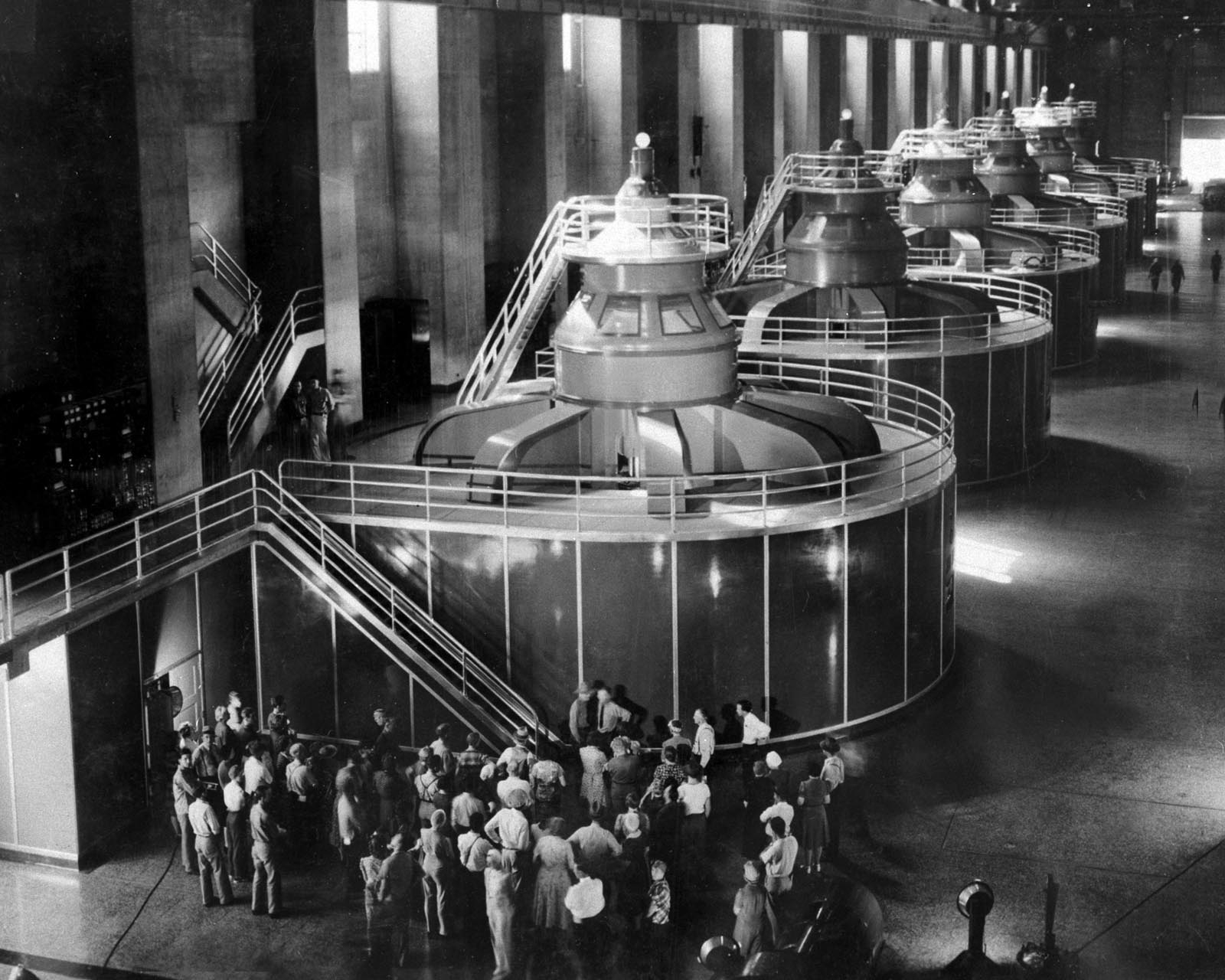 1 out of 5 Americans were unemployed in 1935. By 1938, over 3 million people worked for the WPA. The WPA was later renamed the Works Projects Administration and focused on public works infrastructure projects. From when it was signed into EO to 1943, the WPA employed over 8 million Americans. Some of their largest projects included the Hoover Dam, 29,000 new bridges, and 130 new hospitals.
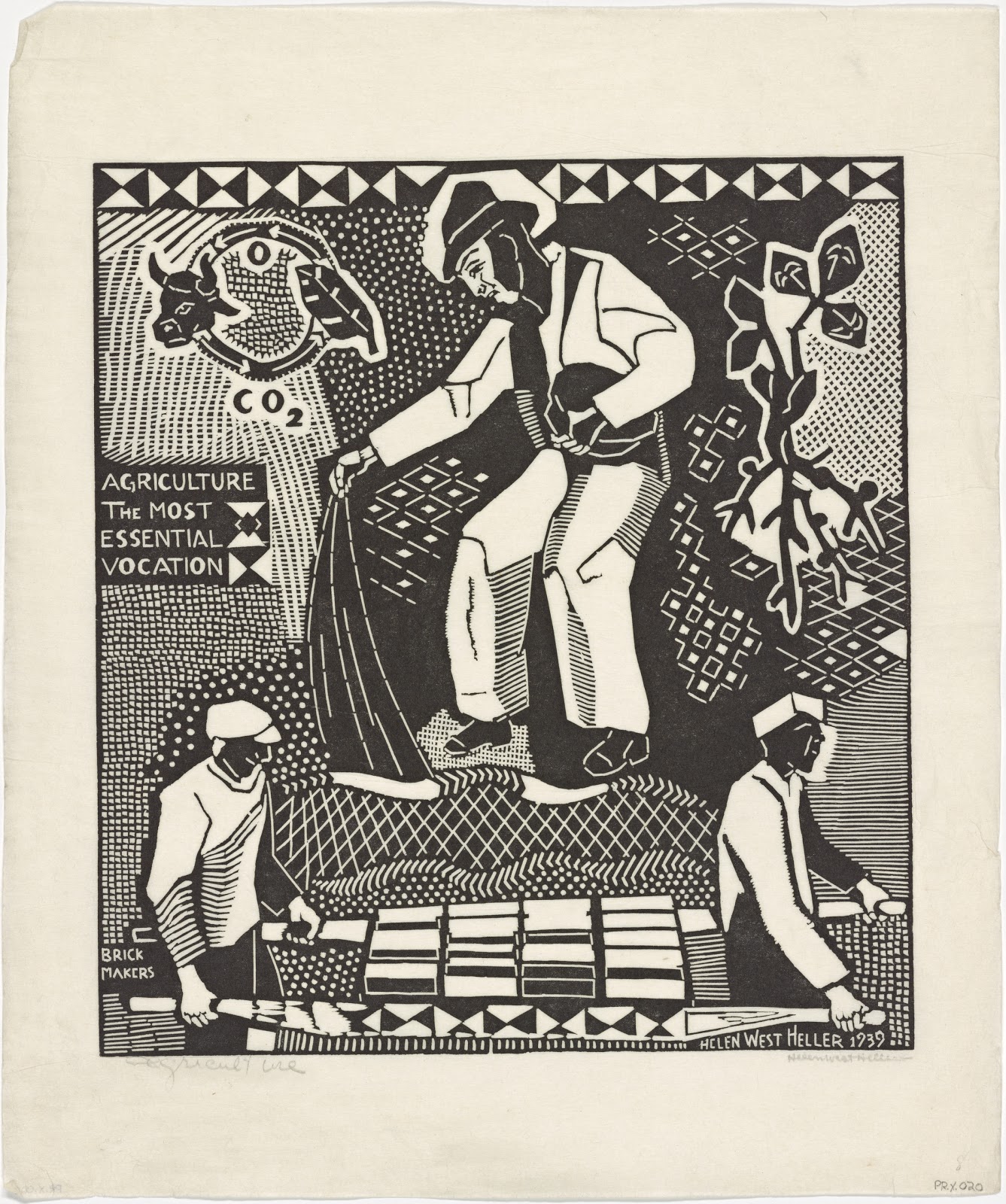
The WPA also included the Federal Project Number One, which hired artists, actors, writers, and musicians to inspire the public and create a more hopeful view of life. People were hired to paint murals, create posters, build monuments, and perform at more than 100 community arts centers across the country.
Many women, Black people, and other marginalized groups were hired through the WPA. Approximately 15% of the workforce were African Americans. In addition, the WPA made significant strides in preserving AA art, culture, and history through the Federal Writers’ Project.
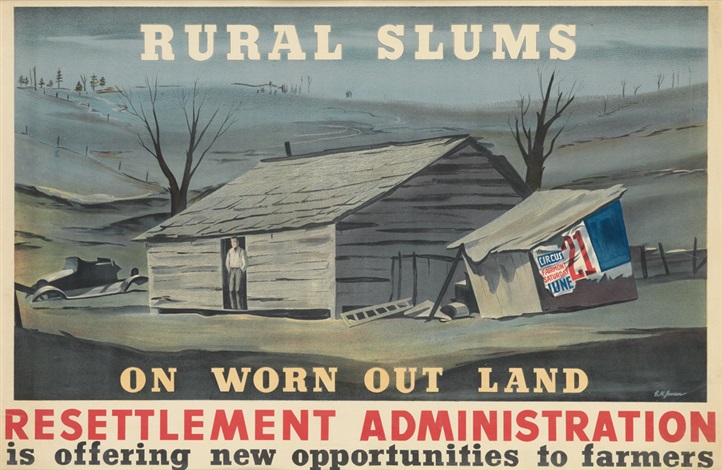
Some politicians criticized the WPA for its inefficiencies and inequities. WPA construction projects sometimes ran three to four times the cost of private work. Some of this was intentional. The WPA avoided cost-saving technologies and machinery in order to hire more workers.
FDR’s programs were unpopular with some of his peers in the government, but the New Deal ultimately prevailed because the people demonstrated that they could vote for policies they wanted and vote out politicians that didn’t support a dramatic change. Without that broad base of support, and without the threat of the vote, none of it would have happened.